Season Guide
Planning a fly fishing trip to Fiordland - New Zealand? Here's what to expect each month of the South Island season — conditions, hatches, water levels, and the best times to visit.
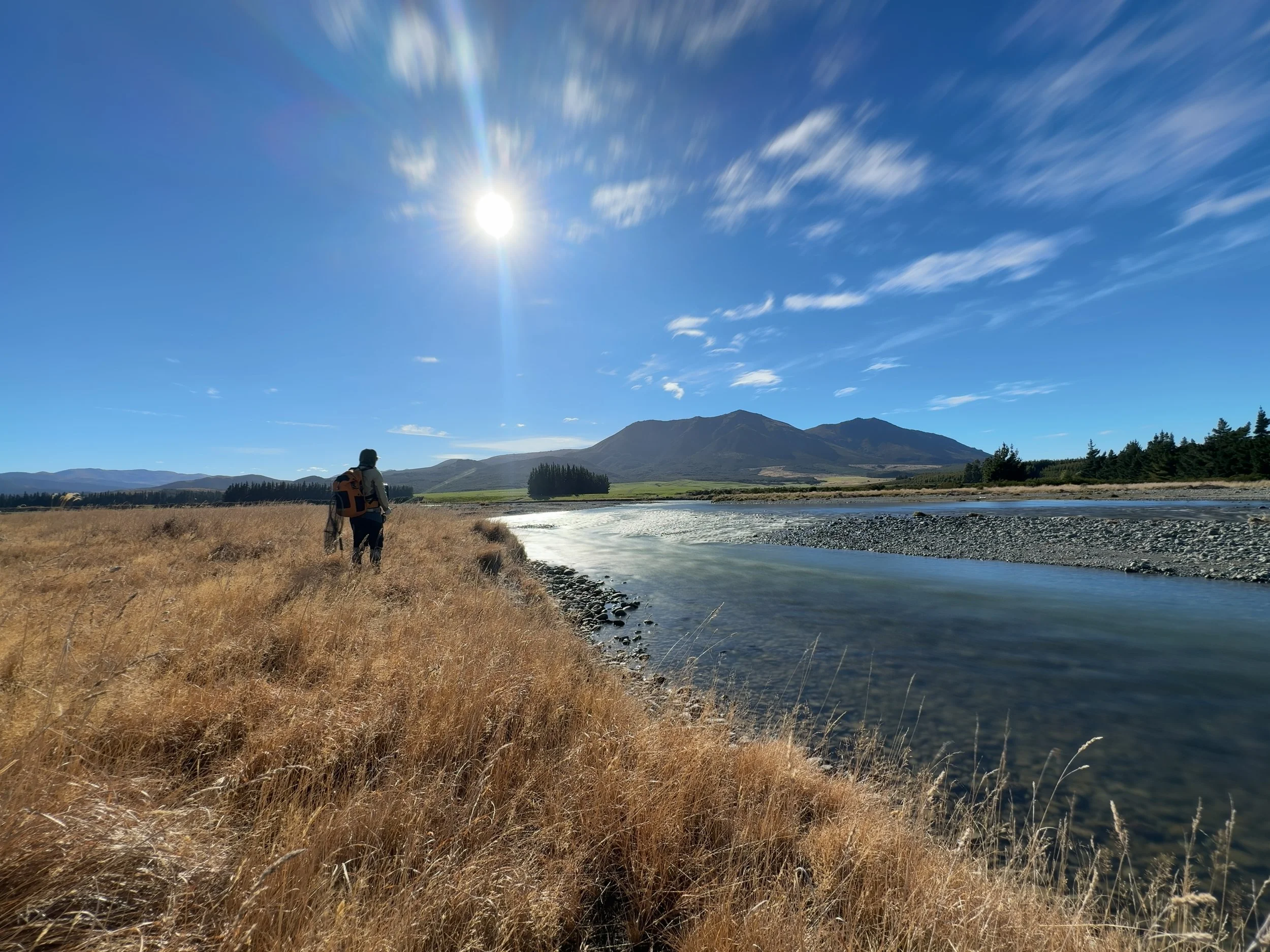
Season Opener Spring
Spring in Fiordland means changeable weather and rising water temperatures. Rivers are often running a little higher and faster as snowmelt contributes to flows. Fish are active and hungry after winter — they've been undisturbed for six months and are willing to feed. Dry fly action can be excellent on calm days. Water temperatures are cold, so wet wading is not yet practical; waders are recommended.
Conditions: Variable. Expect some rain and wind. Cold mornings. Best for: Anglers who want less competition for the water and don't mind the weather.
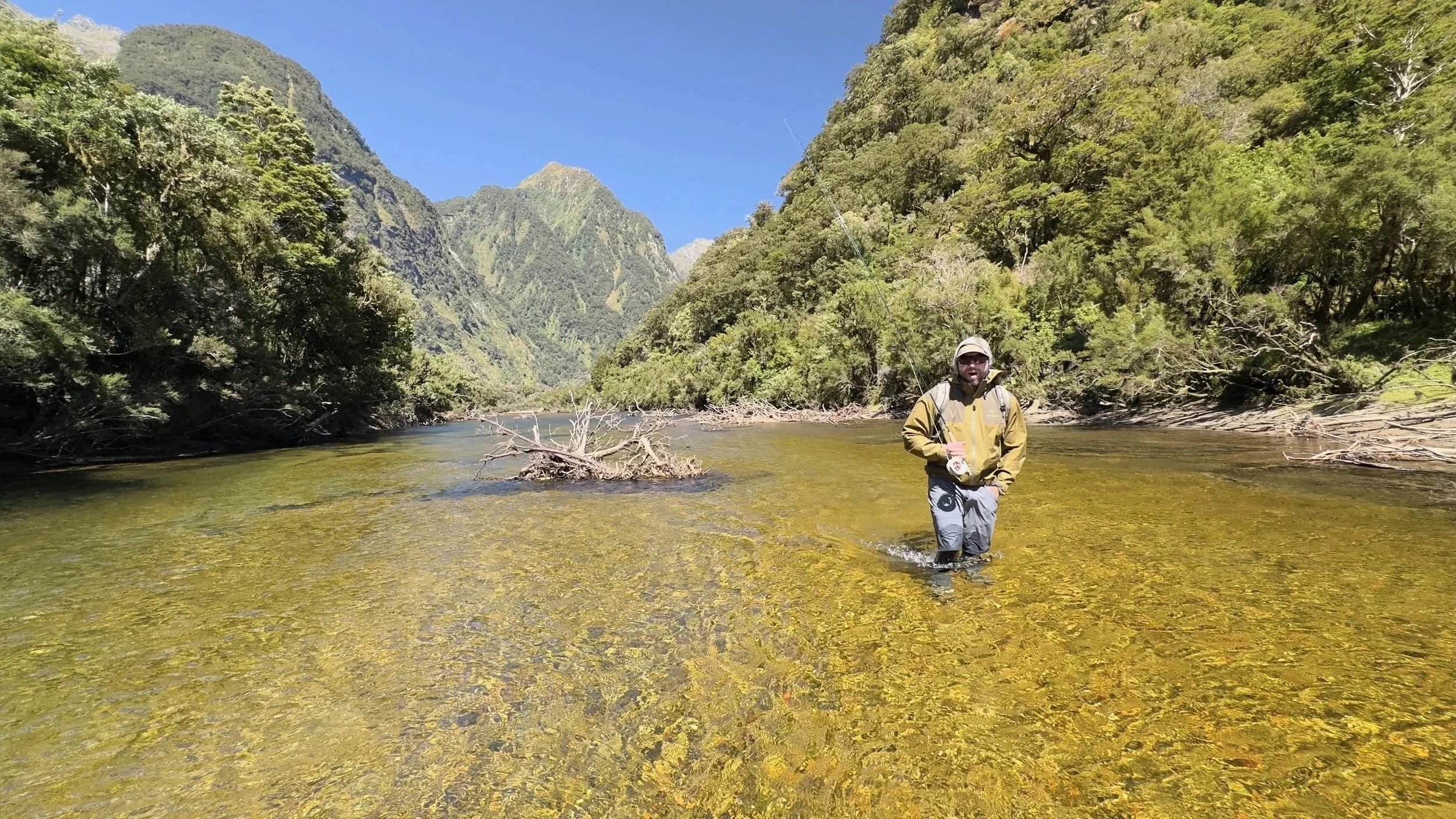
Prime Time Summer
The summer season is fully underway. Long days — up to 16 hours of daylight — mean you can fish morning and evening. Fiordland backcountry streams are fishing beautifully in good conditions. Temperatures are warm enough for wet wading on many days. Fish are visible in the water and willing to take a dry fly fished on the surface. Evenings on the Mataura — watching fish rise during the last hour of light — are the stuff of stories.
Conditions: Generally settled, with the occasional southerly. Best months still ahead. Best for: All levels. Book well in advance — this is when international visitors begin arriving in numbers.
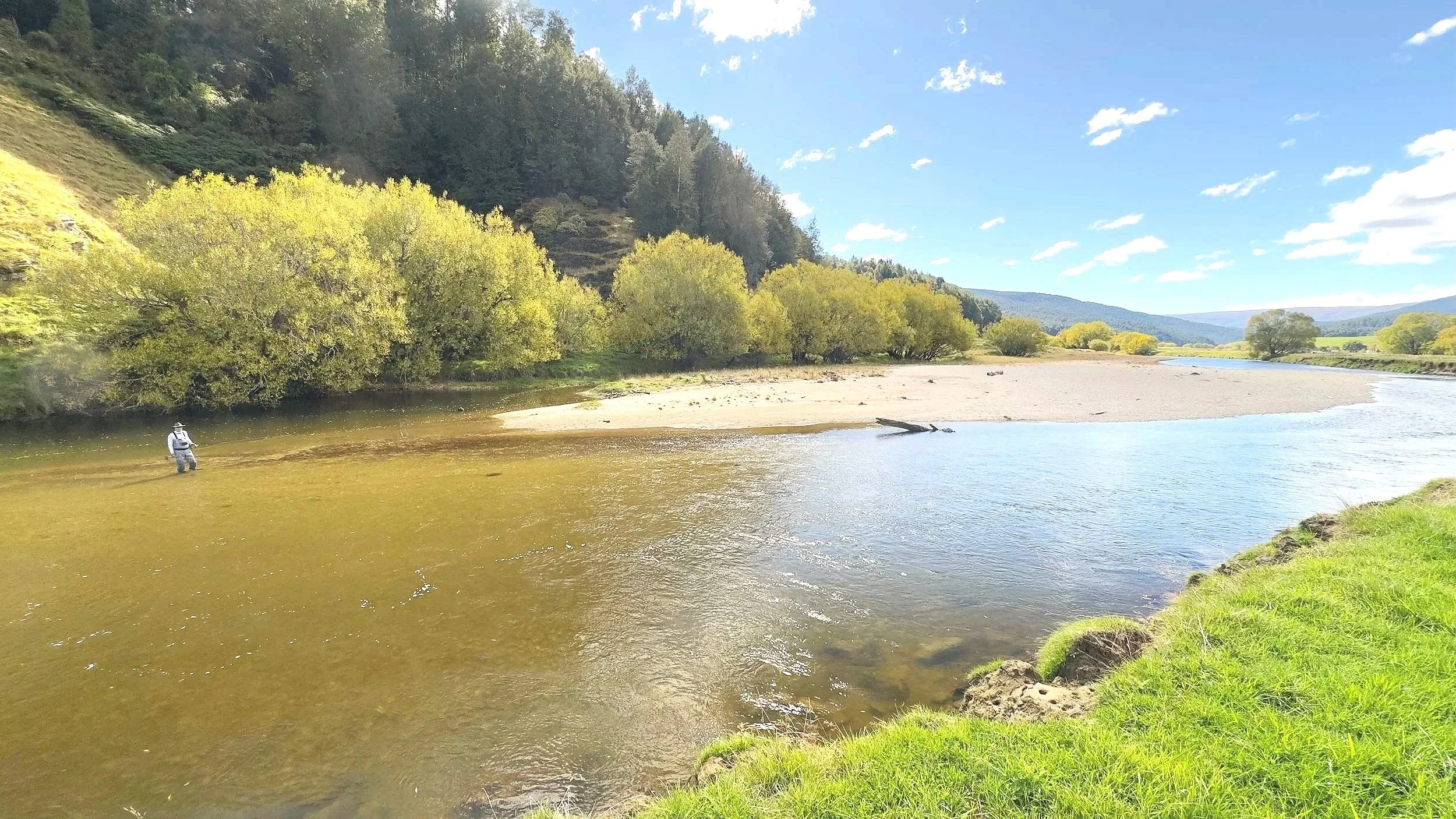
The Sweet Spot Autumn
Autumn arrives across Southland and Fiordland — shorter days, cooler temperatures, and the first hints of colour in the willows and beeches along the riverbanks. The heat of midsummer eases slightly, bringing more stable conditions and more consistent feeding behaviour. Rivers begin to recover a little flow after the February lows. The Mataura evening rise reaches its peak — prolific mayfly hatches draw fish to the surface in the fading light. Brown trout are in outstanding condition, carrying maximum weight before the spawning season begins.
As the season winds toward its close at the end of May. Brown trout begin moving toward spawning condition, and the fish you encounter are often the largest of the season. Streamer and nymph fishing comes into its own as surface activity decreases. A quieter, more reflective time to be on the water — and often underappreciated.
Conditions: Cooling. Some days of settled weather remain. Morning frosts possible in late April. Best for: Anglers chasing trophy-sized browns, and those who prefer the water to themselves. Book early — the last few weeks of season are more popular than you might expect.
Get in Touch
If you're interested in working with us, complete the form with a few details and we'll get back to you asap with more information.